High Walk Score, Zero Eye Contact: The Strange Loneliness of America's Most Walkable Streets
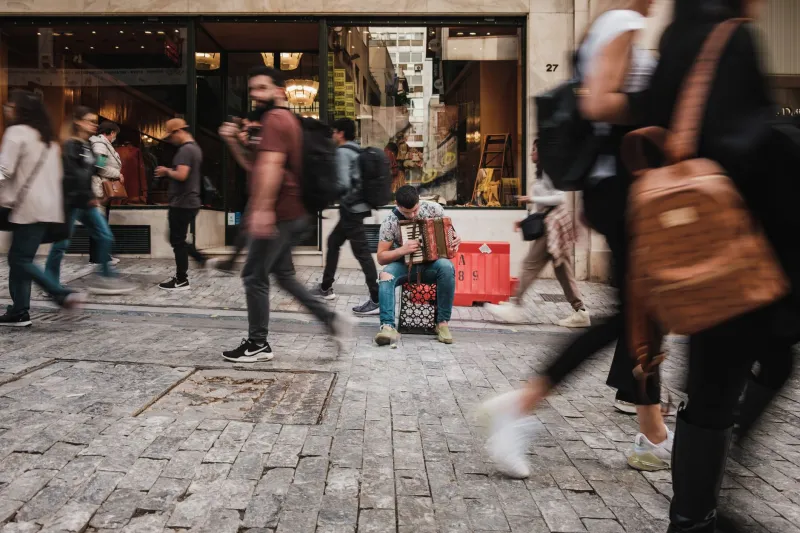
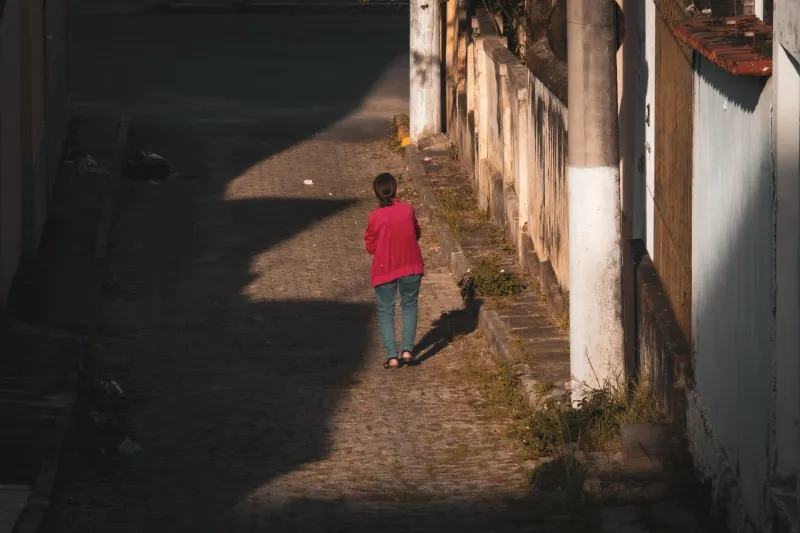
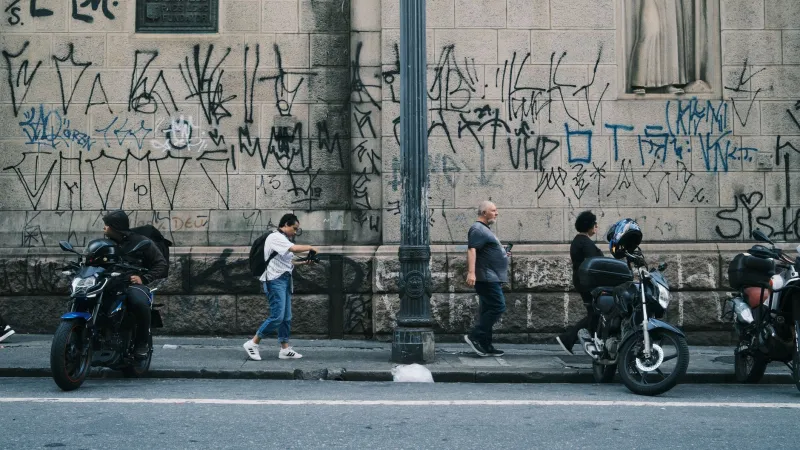
Spend enough time walking cities and you start to notice a weird pattern. The neighborhoods that score highest on walkability metrics — dense blocks, coffee shops on every corner, transit stops within shouting distance — are sometimes the ones where you can walk for an hour without a single person glancing your way. Meanwhile, some sleepy outer neighborhood with a middling walk score is the kind of place where you can't make it half a block without someone stopping you to talk about their tomato plants.
That gap — between a street that's optimized for walking and a street where walking actually means something — is one of the more uncomfortable truths hiding inside the urban planning conversation right now.
What Walk Scores Actually Measure (And What They Don't)
Walk Score, the dominant metric in this space, calculates walkability based on proximity to amenities: grocery stores, restaurants, schools, parks, transit. It's a useful tool. It tells you whether your errands are possible on foot, whether you need a car to get through your week. Those things genuinely matter.
What it doesn't measure — what it can't measure — is whether the people on those streets know each other. Whether the guy behind the counter at the corner deli remembers your order. Whether there's a stoop culture, a dog-walking circuit, a loose network of neighbors who notice when something's off.
In short, Walk Score measures access. It says nothing about attachment.
And those are very different things.
The Optimization Trap
Here's where it gets interesting. Some of the conditions that make a neighborhood highly walkable also make it harder to build community. Think about what a perfect-score urban core often looks like: high turnover in retail spaces, residents who move in and out every year or two, buildings with no shared outdoor space, storefronts designed for fast transactions rather than lingering.
You can walk to twelve restaurants within five minutes. But do you have a restaurant — the place where they know you, where you've had the same booth for years, where the owner asks about your kids?
Density, paradoxically, can work against familiarity. When there are always new faces, there's less pressure — and less opportunity — to learn the old ones. The social friction that builds relationships gets smoothed away by abundance and anonymity.
Some researchers call this the "urban village" problem: the denser and more amenity-rich a neighborhood becomes, the more it starts functioning like a service delivery system rather than a community.
The Neighborhoods That Shouldn't Work (But Do)
Drive — or better yet, walk — out to some of the neighborhoods that wouldn't make a walkability highlight reel. The older commercial strips in working-class parts of Chicago, Houston's Near Northside, the traditional main streets of smaller Rust Belt cities, certain Latino and Black neighborhoods that planners historically underinvested in.
The blocks are sometimes wider than they should be. The sidewalks might need work. The transit connections are inconsistent. By the numbers, these places are imperfect.
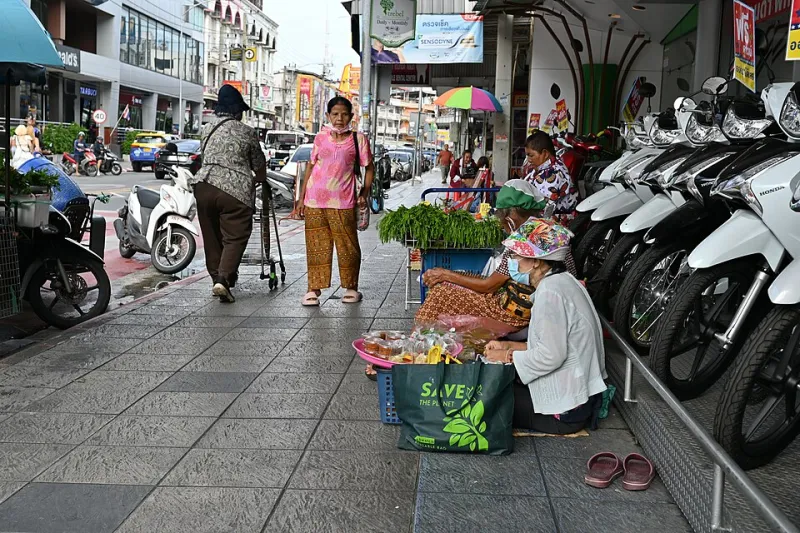
But stop and pay attention. People are talking. On stoops, in front of laundromats, outside the barbershop that's been there for thirty years. The businesses aren't chains optimized for throughput — they're owner-operated spots where the transaction is almost secondary to the conversation.
This is what urban sociologists sometimes call "third place" culture: the spaces that are neither home nor work where community actually gets made. The thing is, third places don't require a perfect walk score. They require time, repetition, and ownership — a sense that the street belongs to the people on it.
Speed Is the Enemy of Community
One underrated factor: how fast people are moving.
Highly walkable urban cores often attract a particular kind of walker — someone in motion, headphones in, optimizing the commute. The walkability is instrumental. You're walking to something, not walking as something.
In neighborhoods with slower rhythms — less pressure, fewer places to be — walking takes on a different character. You meander. You stop. You end up in a twenty-minute conversation you didn't plan on having. That's not inefficiency. That's community formation happening in real time.
Jane Jacobs wrote about the "sidewalk ballet" — the daily choreography of street life that makes a neighborhood feel alive. But ballet requires rehearsal, repetition, the same dancers showing up day after day. Transient, high-velocity foot traffic doesn't produce ballet. It produces a crowd scene.
What Walkers Can Do With This
None of this means you should write off walkable urban cores. It means you should walk them differently — and maybe walk more places than your apps suggest.
When you're exploring a new city, resist the urge to cluster in the highest-scoring neighborhoods. Find the commercial strips that have been there for decades. Walk the blocks where the businesses have handwritten signs in the window. Look for the laundromat with chairs outside, the park bench that's actually being used, the barbershop with a line out the door on a Saturday.
Those are the coordinates of a living neighborhood — and they don't always show up on the optimization map.
Also: slow down. Seriously. One of the best things you can do as a walker in an unfamiliar city is give yourself permission to have no destination for a while. Stop when something catches your eye. Ask the person at the fruit stand where they've been set up. You'll learn more about a city in one unhurried hour than in three purposeful ones.
The Metric We Actually Need
There's growing conversation in urban planning circles about supplementing walkability scores with what some call "social infrastructure" assessments — measuring not just proximity to amenities but the quality of public life those amenities support. Are there places to sit? Are businesses locally owned? Is there intergenerational mixing happening on the street?
It's harder to quantify. It resists a clean number. But it's much closer to what most of us actually mean when we say a neighborhood is good to walk in.
Until that metric exists, the best tool you have is your own two feet and the willingness to ignore the score.
Some of the best walks you'll ever take are in places the algorithm would never send you.